
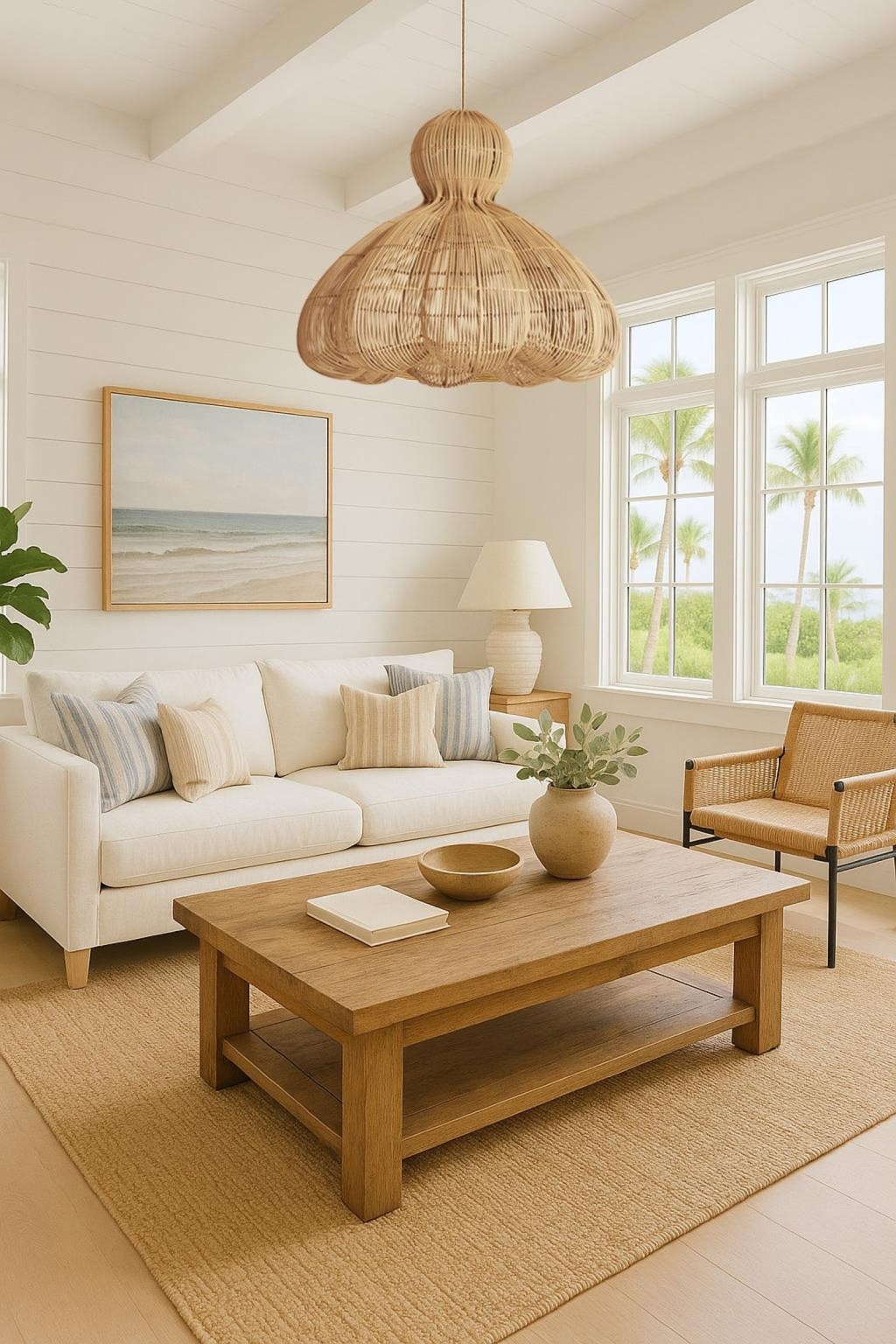
Each of us has a soft spot for natural palettes in coastal design because, let’s face it, they’re basically the bottled sunshine of beach vacations! Nothing screams “kick back and chill” like colors that make you feel like you’re sprawled out on a sun-faded deck chair, slurping a piña colada, while seagulls are plotting their daring heist on your nachos!
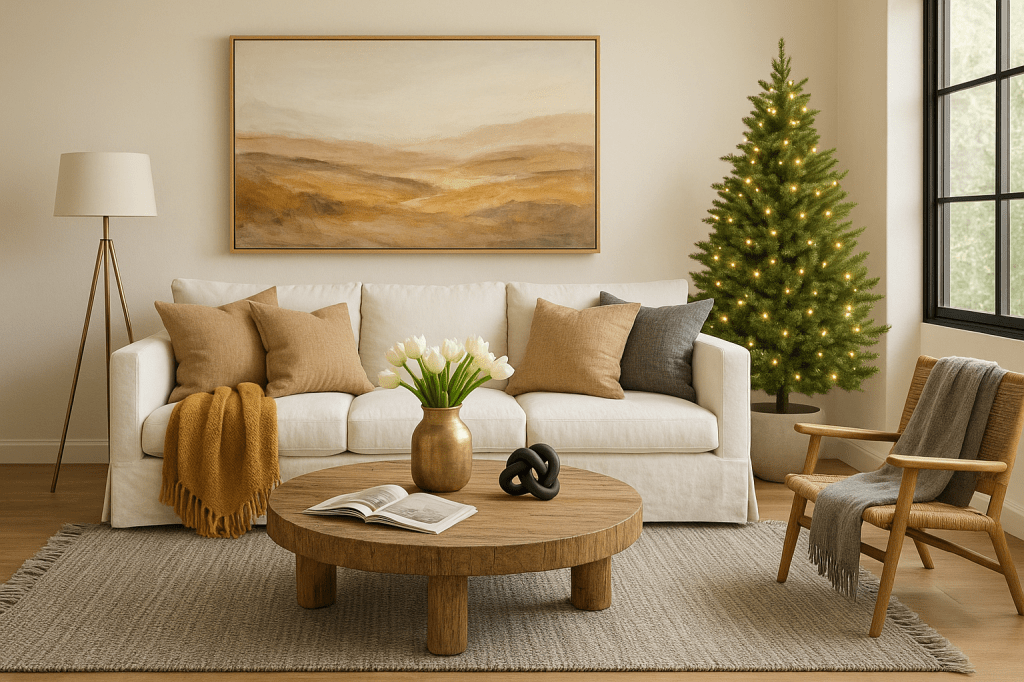
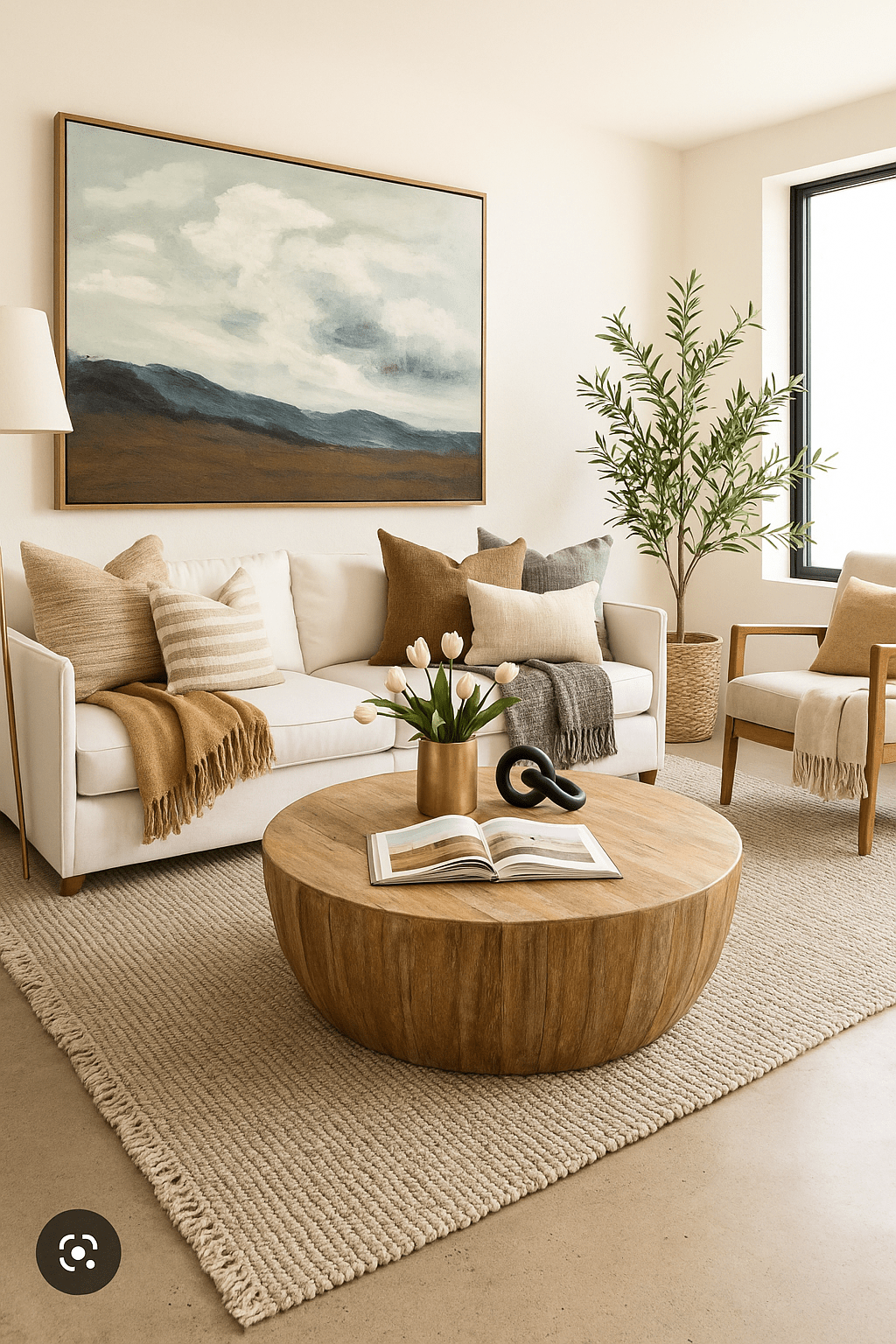
Reflects the environment: Coastal design is like a beach vacation for your home, bringing in all the natural goodies from the coast—think sand, sea, sky, and plants that are probably just as confused as you are by the tides. Designers whip out a natural color palette to channel their inner surfer, splashing on earthy tones like beige and tan that resemble sandy beaches (or just spilled coffee). Add in some blues and greens that look like ocean waves and sky—because who doesn’t want their living room to feel like a beach party, minus the sand in your swimsuit?
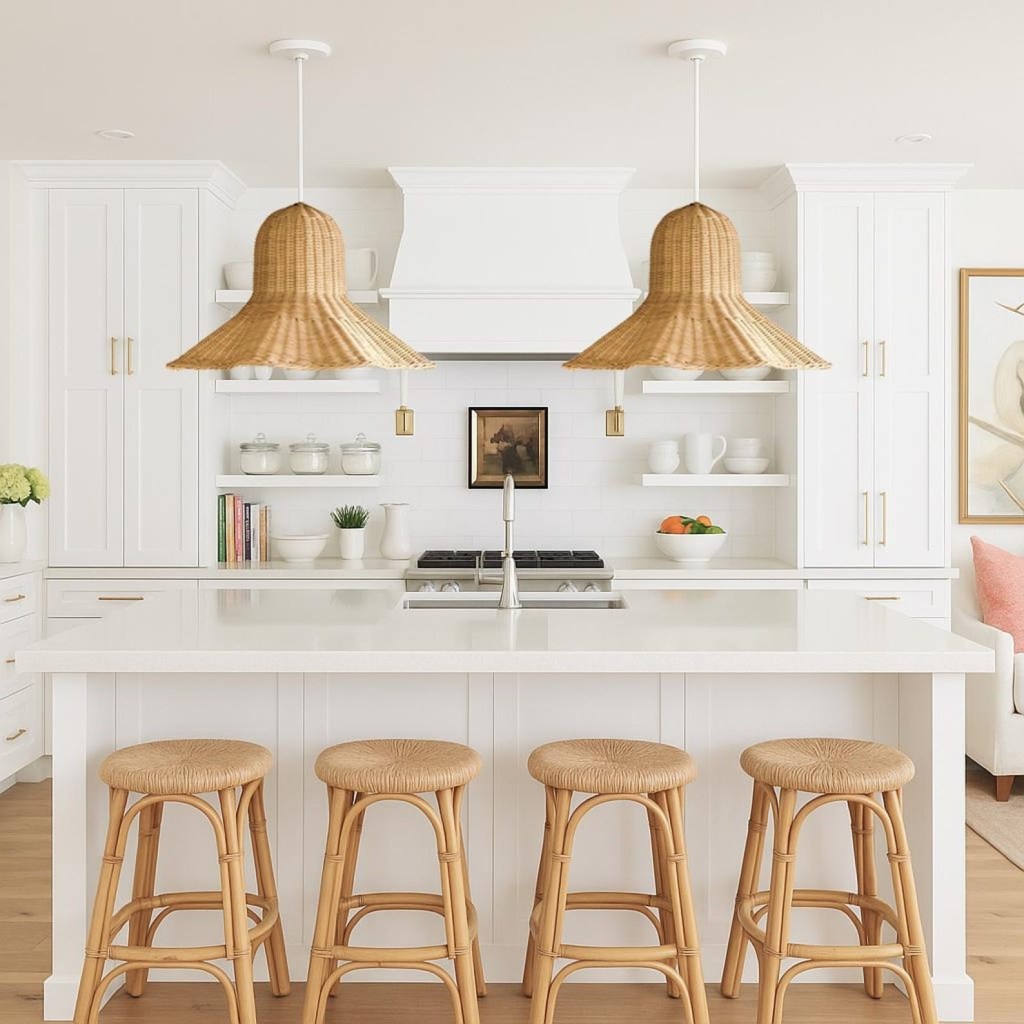
Calming and tranquil: Natural colors are like a cozy blanket for your eyeballs! Coastal design sets out to create a peaceful haven, perfect for those moments when you just need to escape from your life’s chaos—like when your cat decides the keyboard is a perfect napping spot. With neutral tones and soft hues that mimic a serene beach sunset, it’s as if nature is giving you a gentle nudge to kick back, relax, and just breathe, even if your dog is still trying to eat your homework.

Timeless and versatile: Natural palettes have a timeless quality that transcends trends and fads. They can be adapted to various design styles, from traditional to contemporary, making them versatile choices for coastal interiors. By using a natural palette, designers can create a space that remains fresh and appealing for years to come.

Enhances natural light: Coastal areas often receive abundant natural light, and a natural palette can help enhance the brightness and airiness of a space. Light-colored walls and furnishings reflect natural light, making the room feel more open and inviting. This also allows the colors and textures of the coastal environment to take center stage.
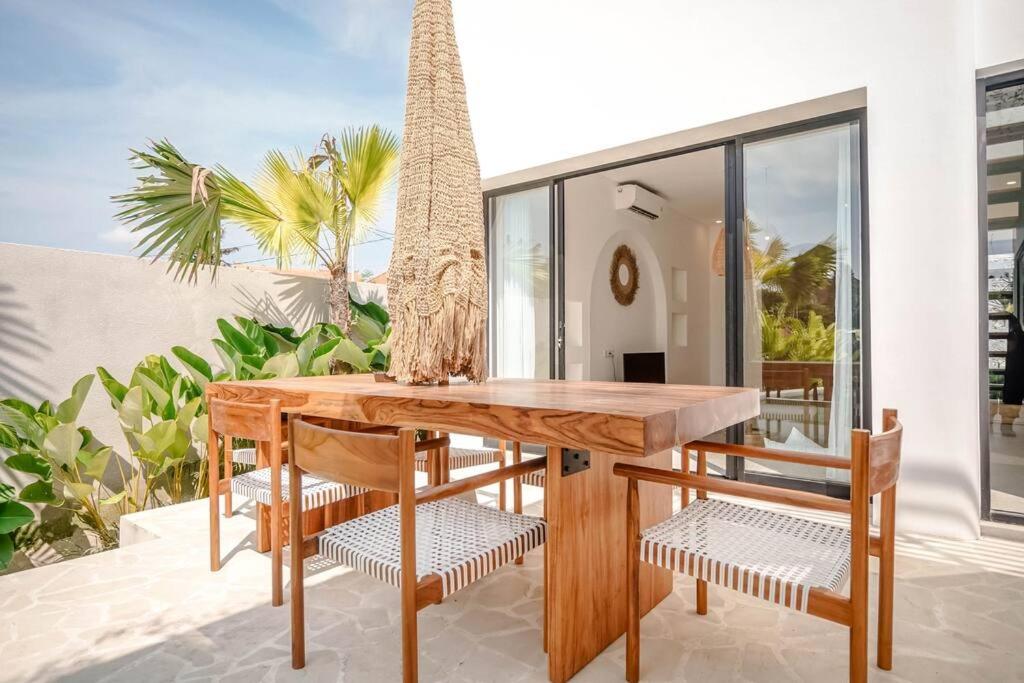
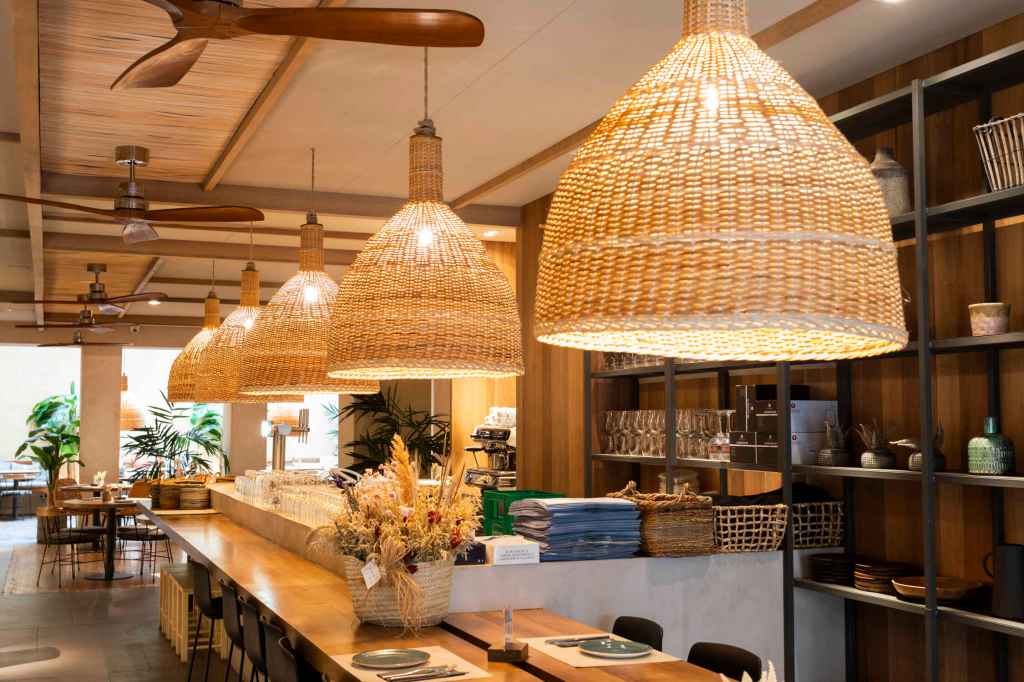
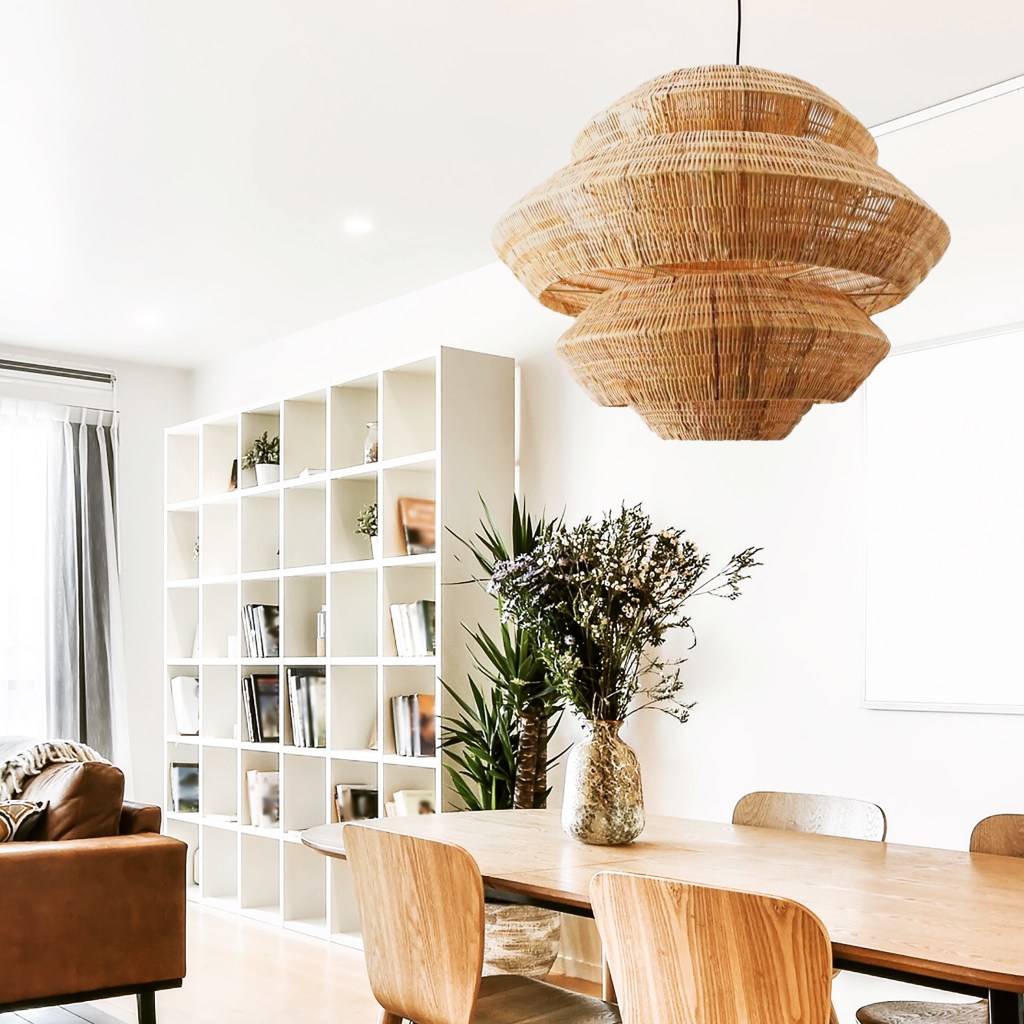
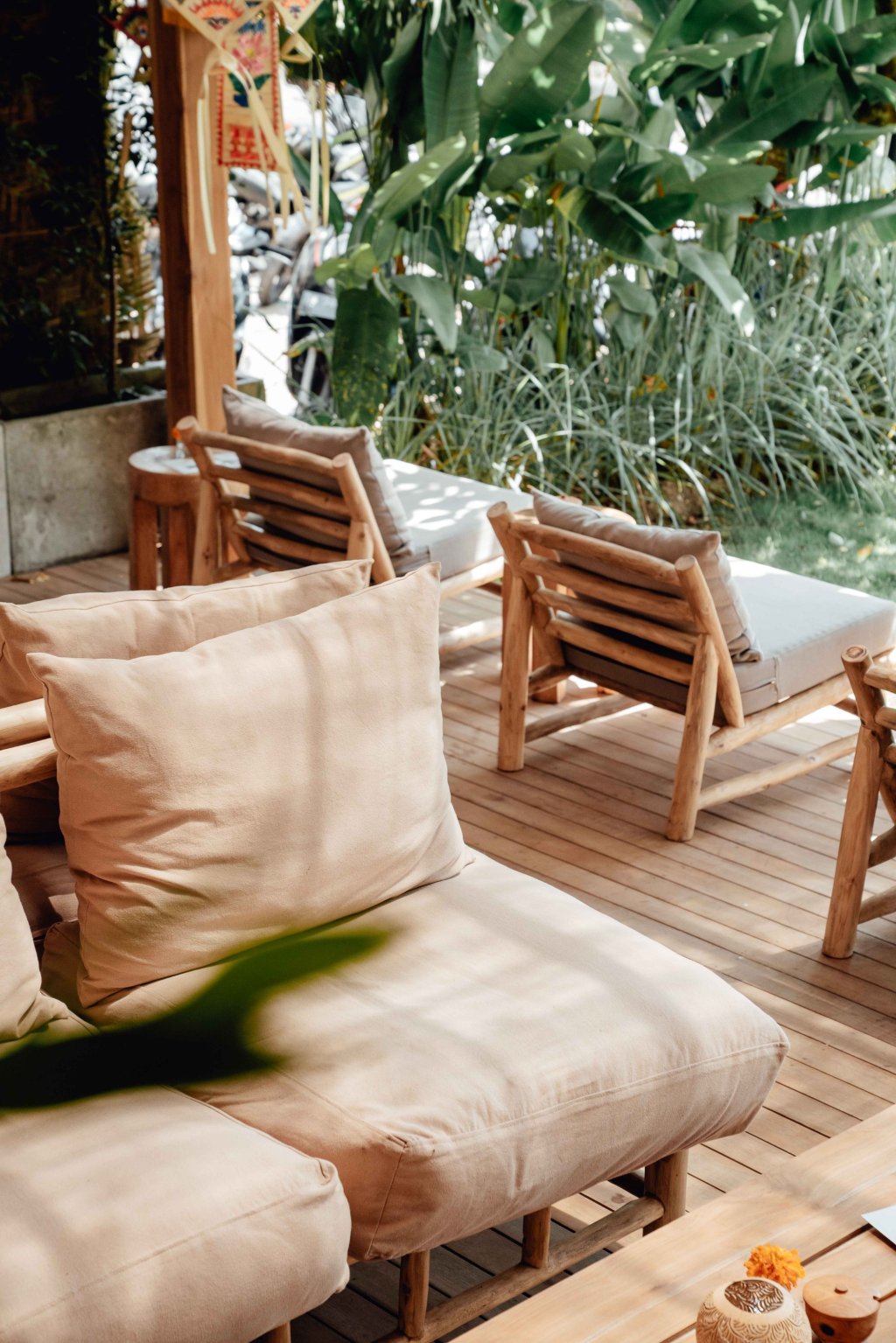
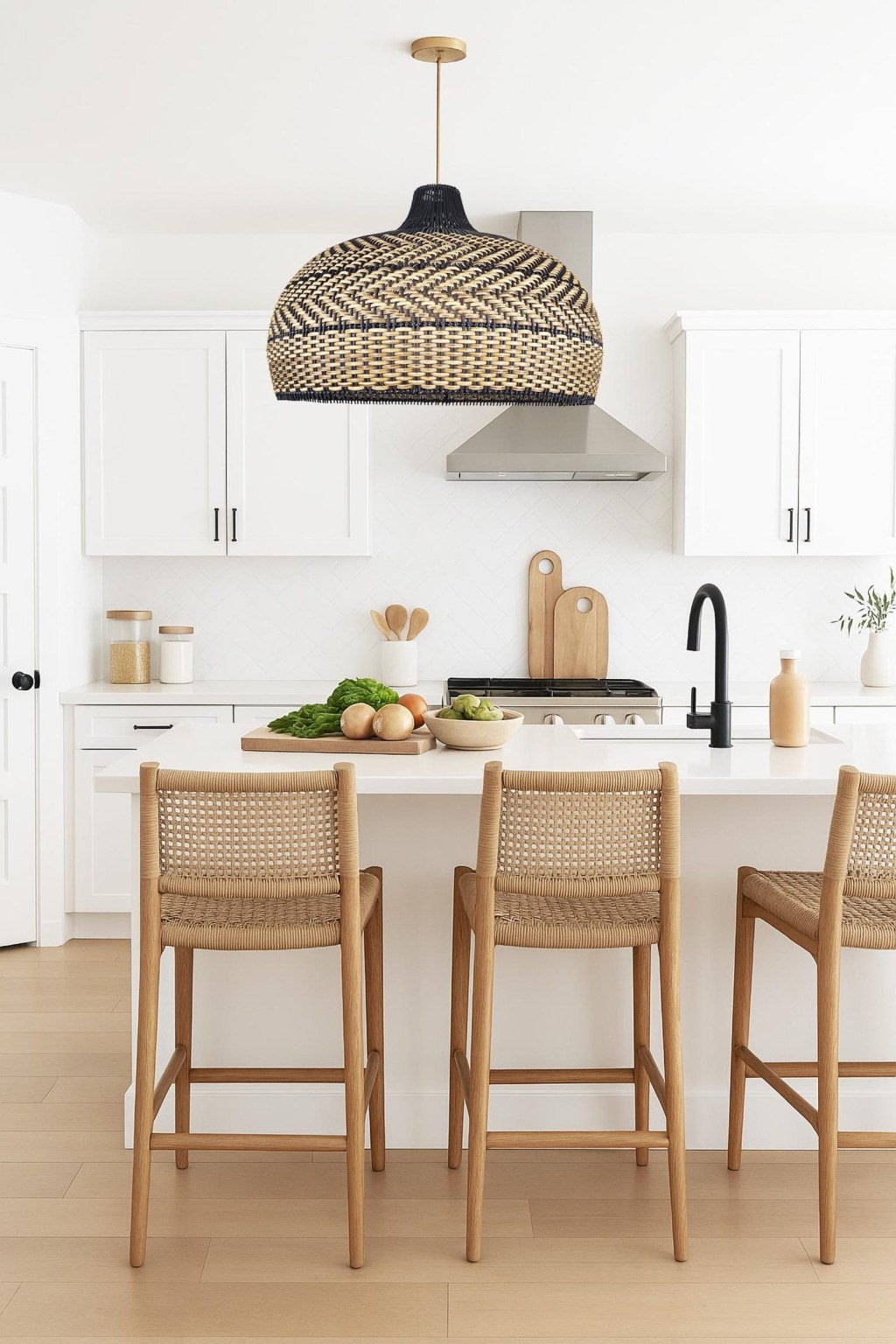
Complements other coastal elements: Natural palettes work well with other design elements commonly associated with coastal interiors. For instance, materials like wood, rattan, and jute are often used in coastal design, and these natural materials harmonize beautifully with a neutral color scheme. The result is a cohesive and visually pleasing space.

In summary, interior designers have a serious crush on natural palettes for coastal design—it’s like they’re trying to bottle up the beach vibes and bring them home! These colors not only scream “relaxation” louder than your favorite beach chair but also have the timeless charm of your grandma’s ocean-themed knick-knacks. They boost natural light like a caffeine jolt and play nice with other coastal decor, making your home feel like a picturesque postcard. So, by swathing rooms in these hues, designers whip up spaces that practically whisper, “Calm down, pour a Piña Colada, and enjoy the sea breeze, even if it’s just from a scented candle!”









 bali-interior.com