

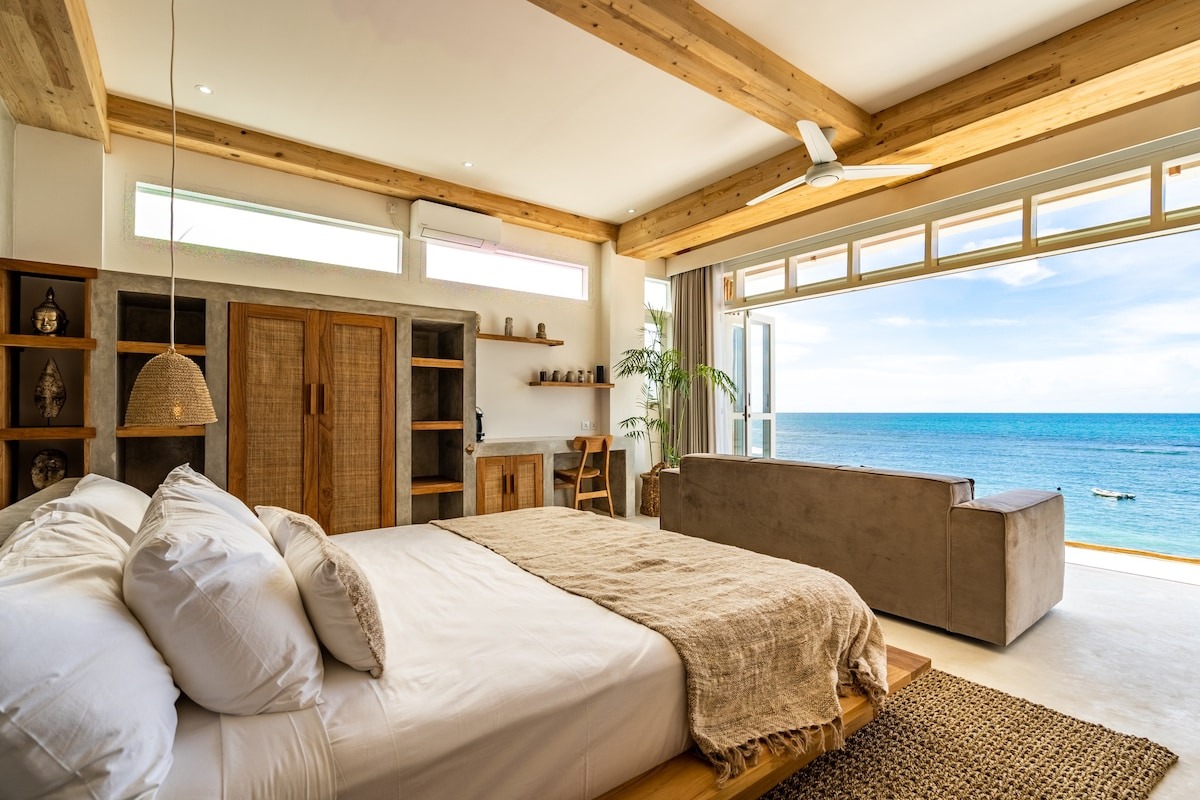
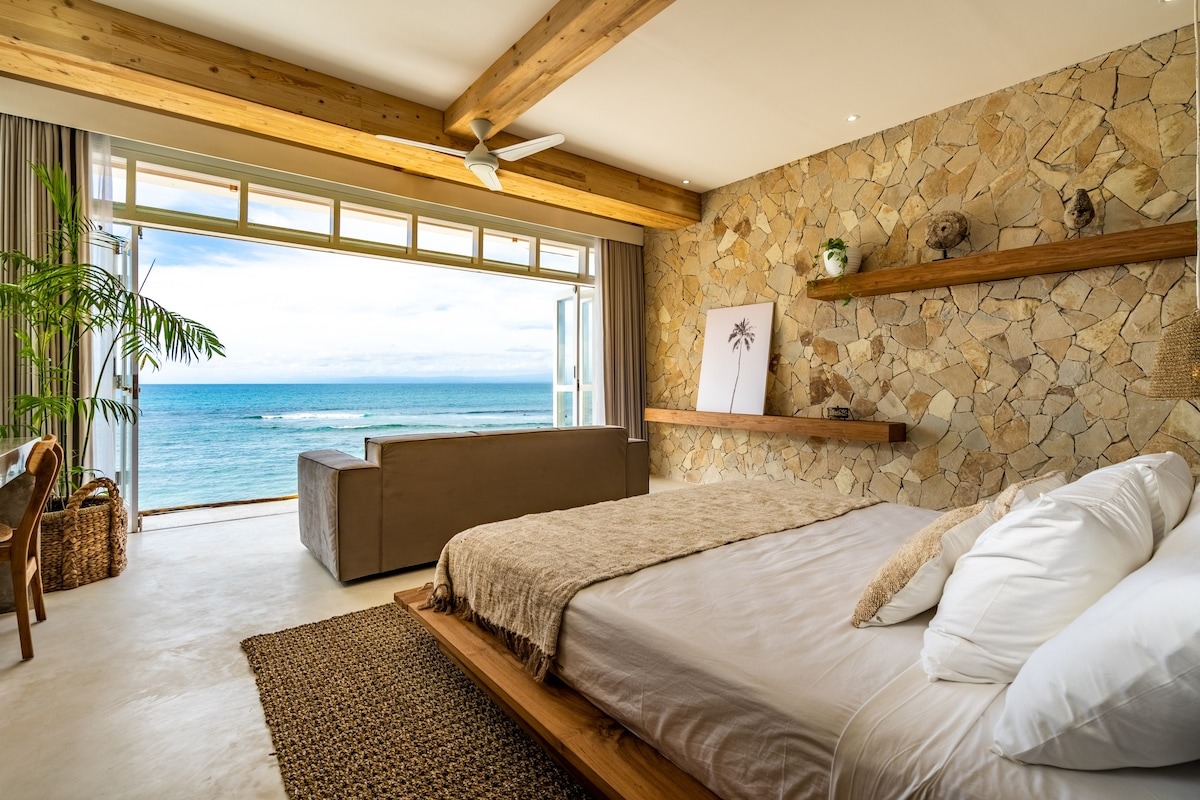
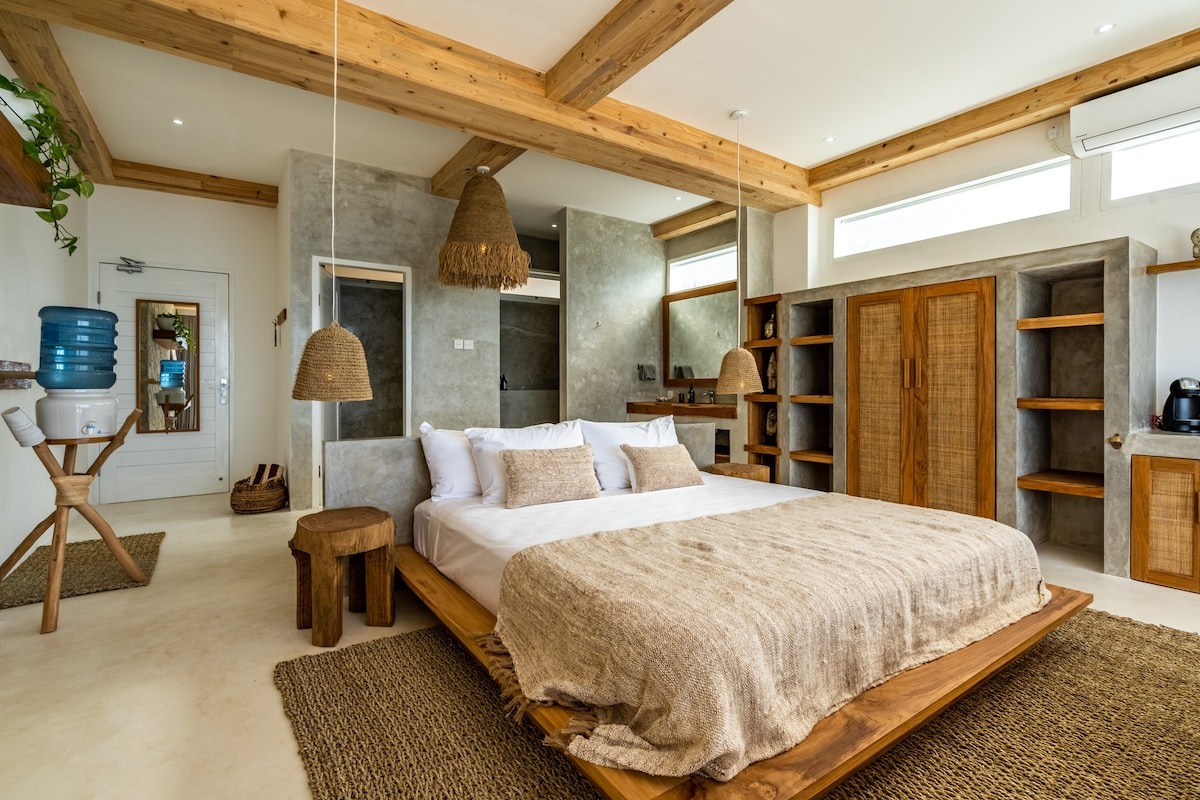
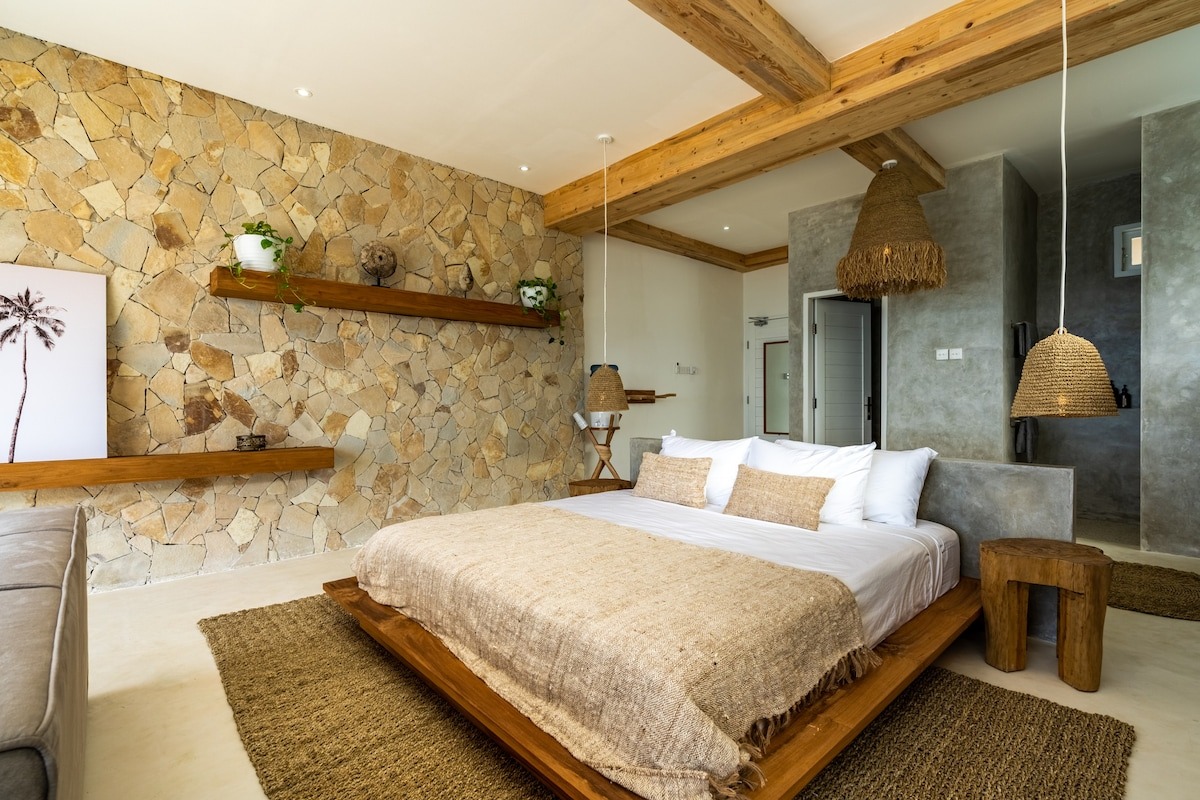
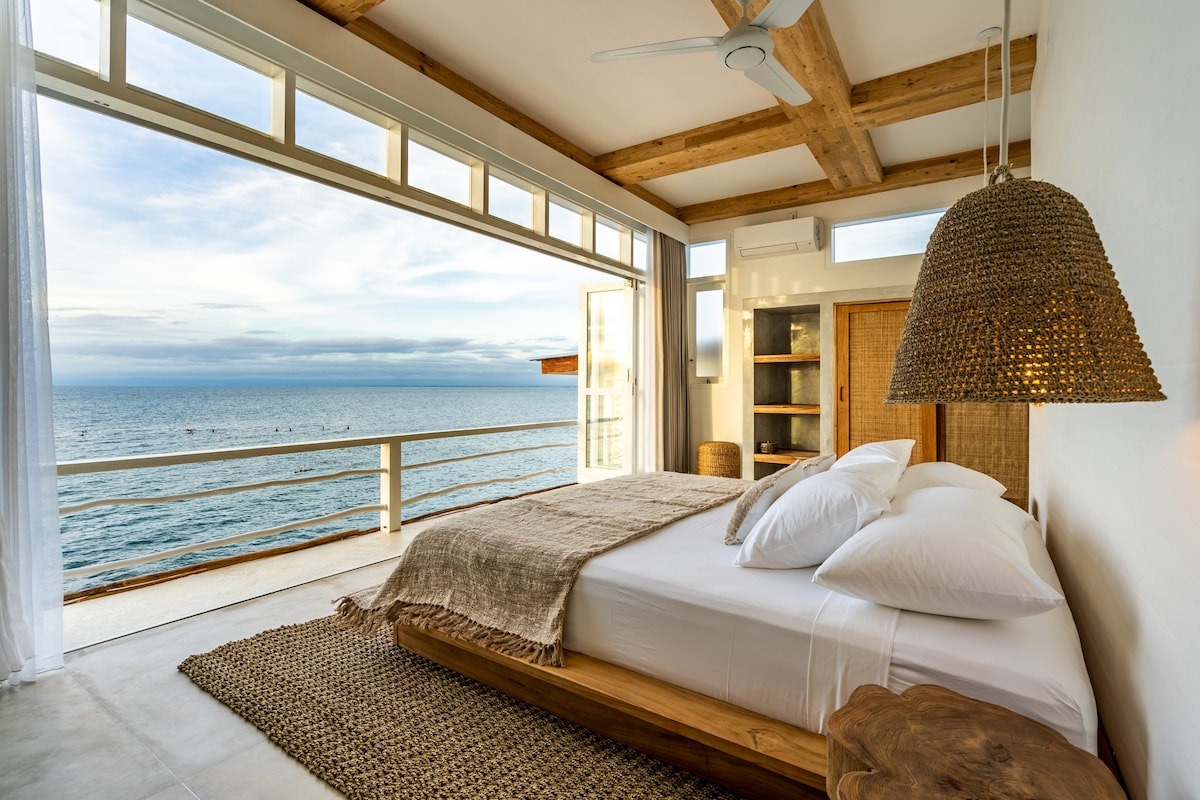
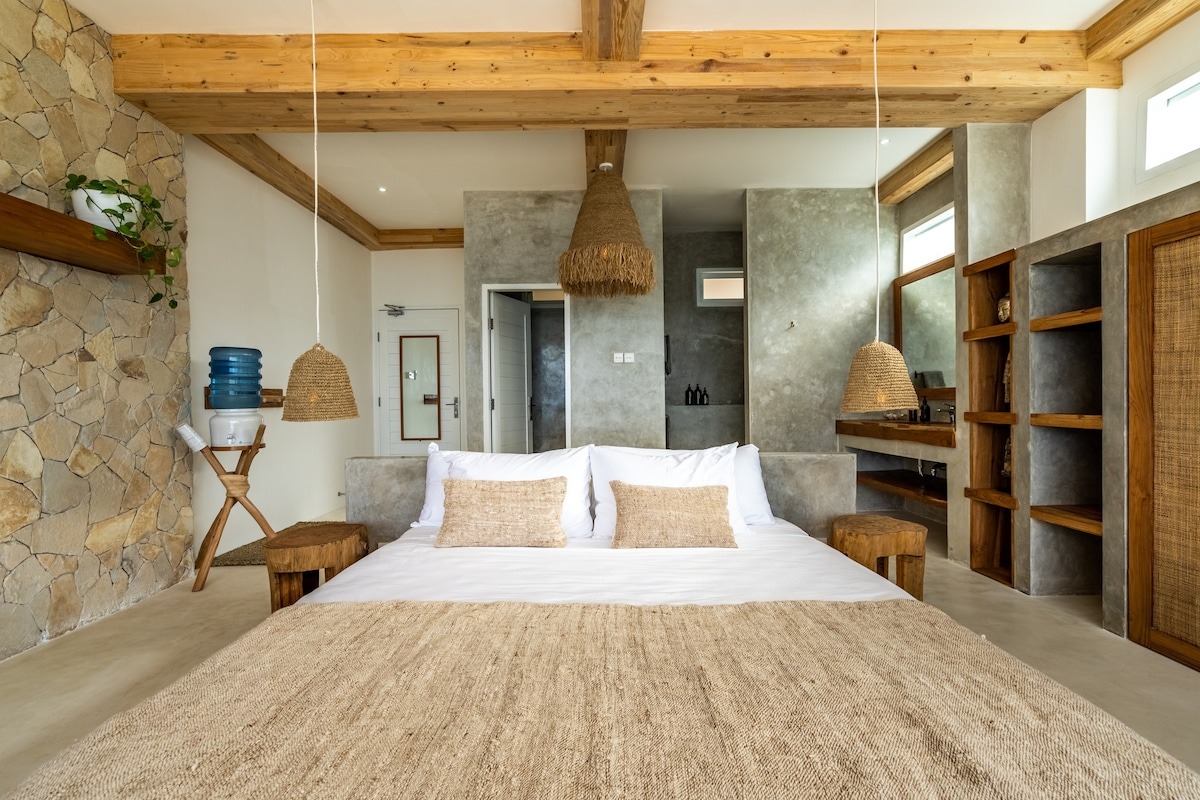
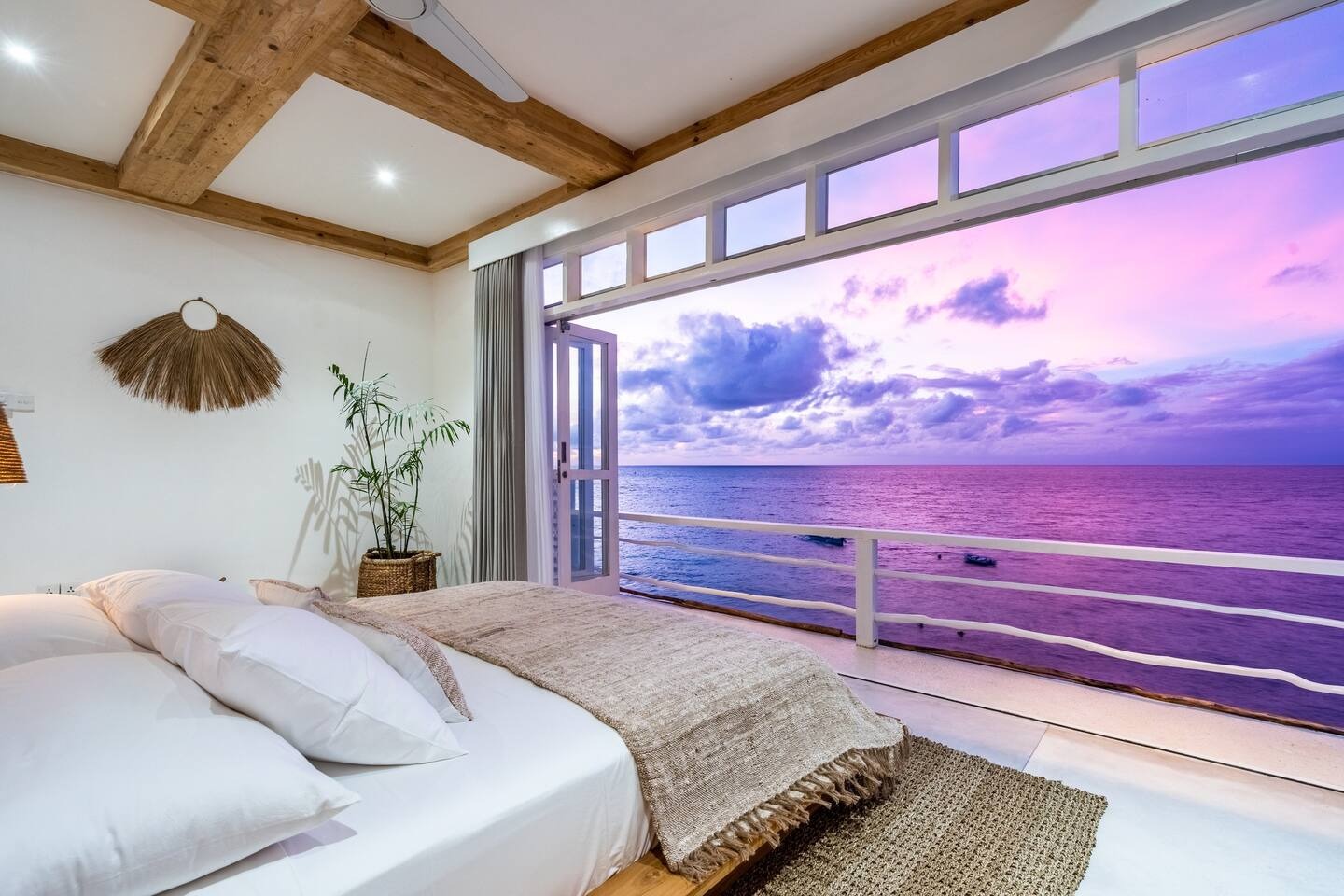
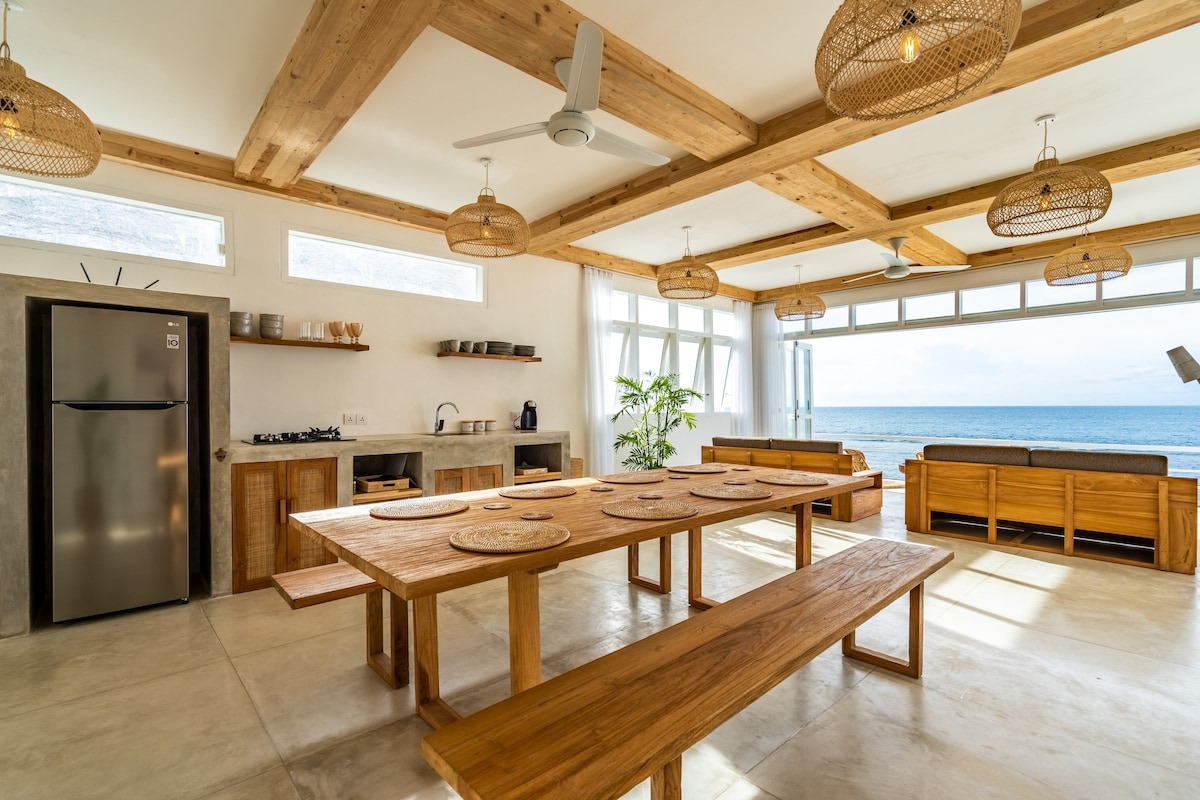
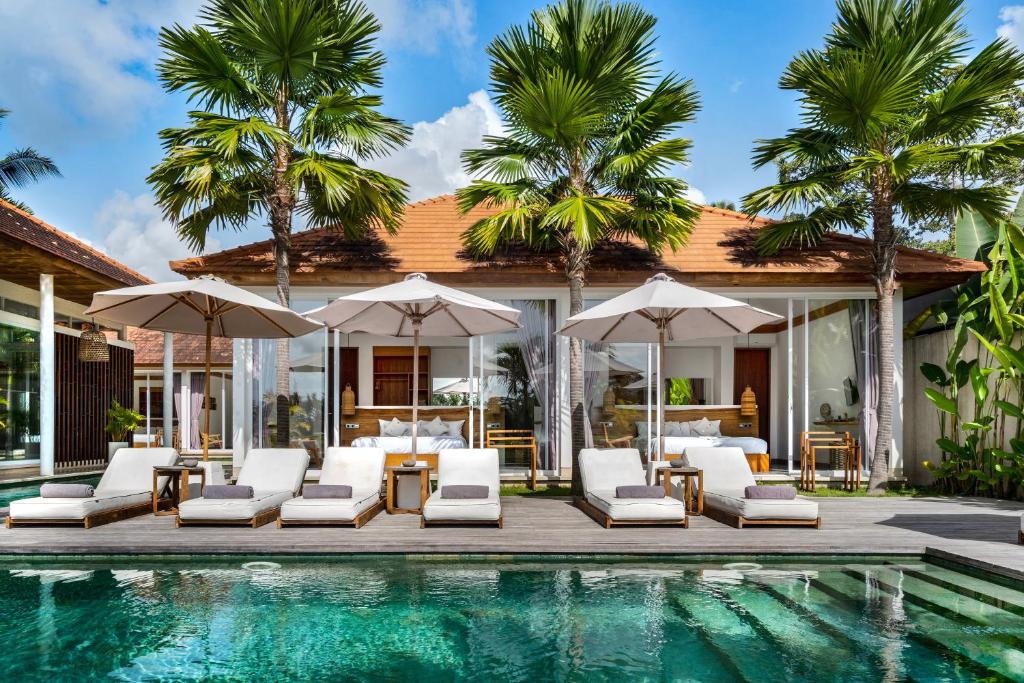
Embracing a coastal interior design that prioritizes eco-friendly, natural materials not only enhances the aesthetic appeal of a space but also promotes environmental sustainability and personal well-being. The Surf Bingin Beach in Uluwatu, Bali, exemplifies this harmonious blend, creating a serene and inviting atmosphere that resonates with the tranquility of its seaside location.
Architectural Elements
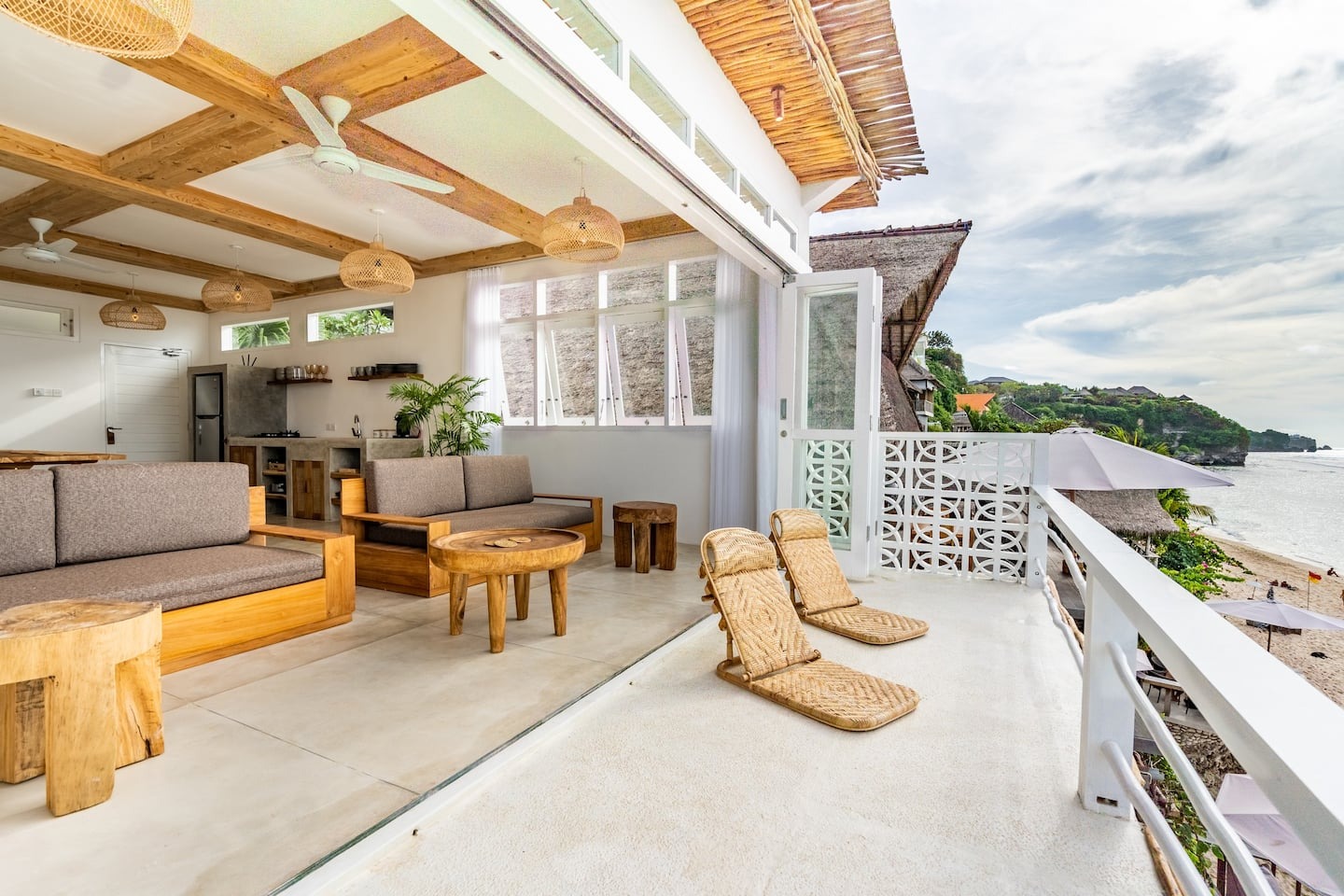
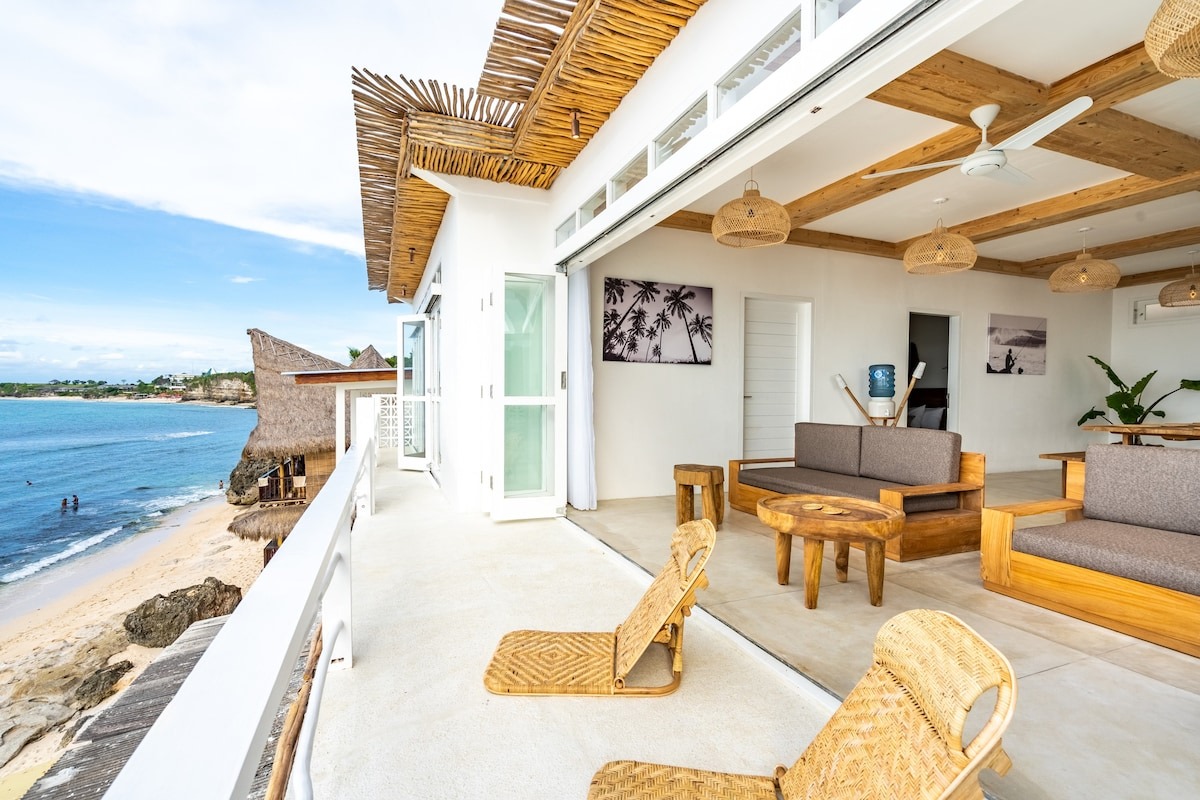
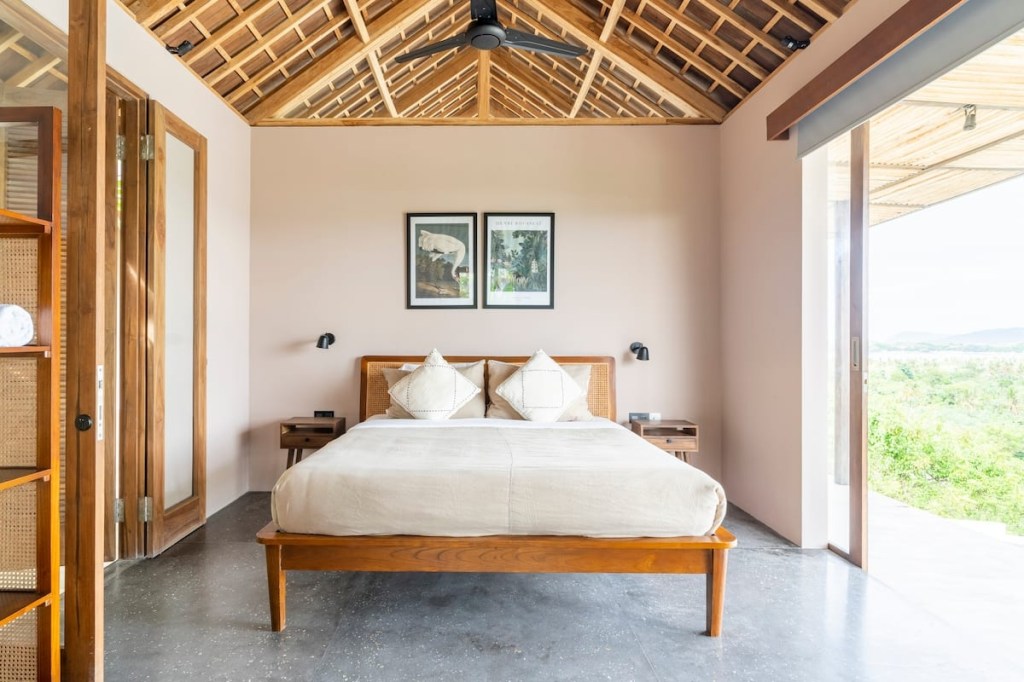
- Bamboo Structures: Bamboo is a rapidly renewable resource, making it an excellent choice for structural elements. Its natural resilience and flexibility allow for innovative designs that withstand coastal climates. The use of bamboo in construction not only reduces the carbon footprint but also imparts a tropical charm that aligns with coastal aesthetics.
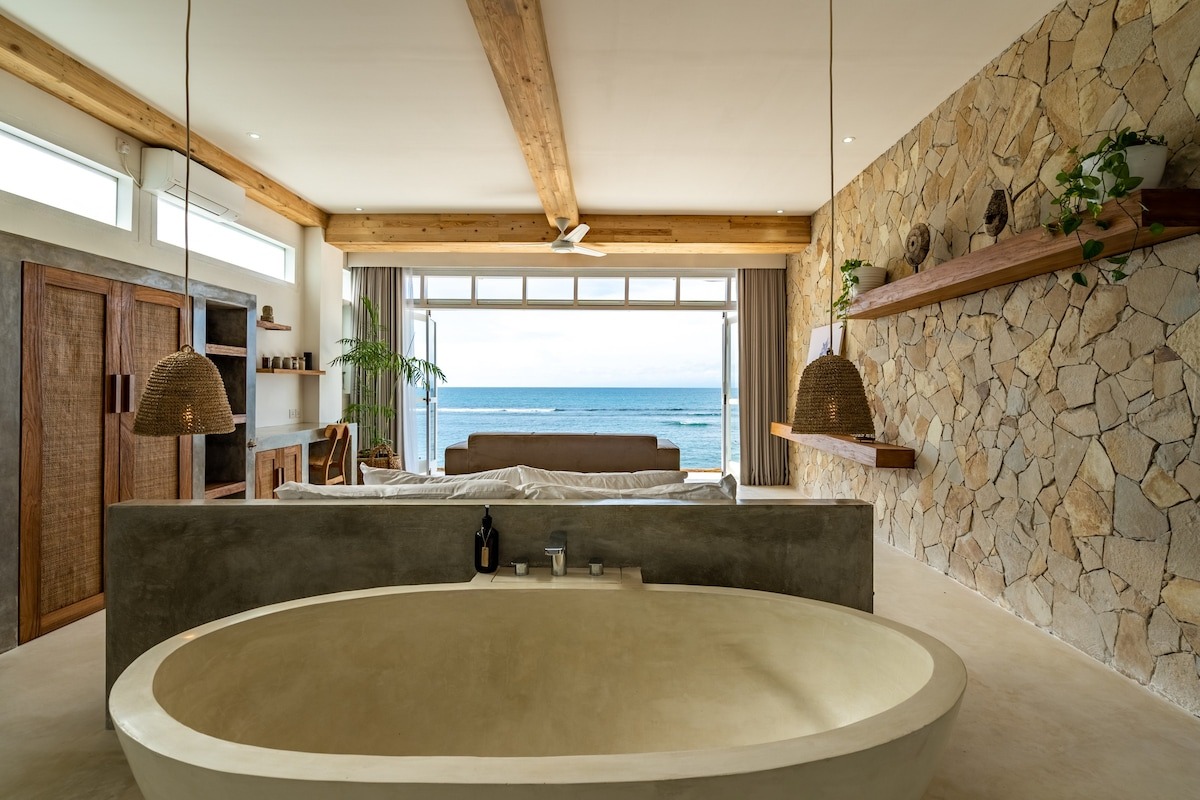
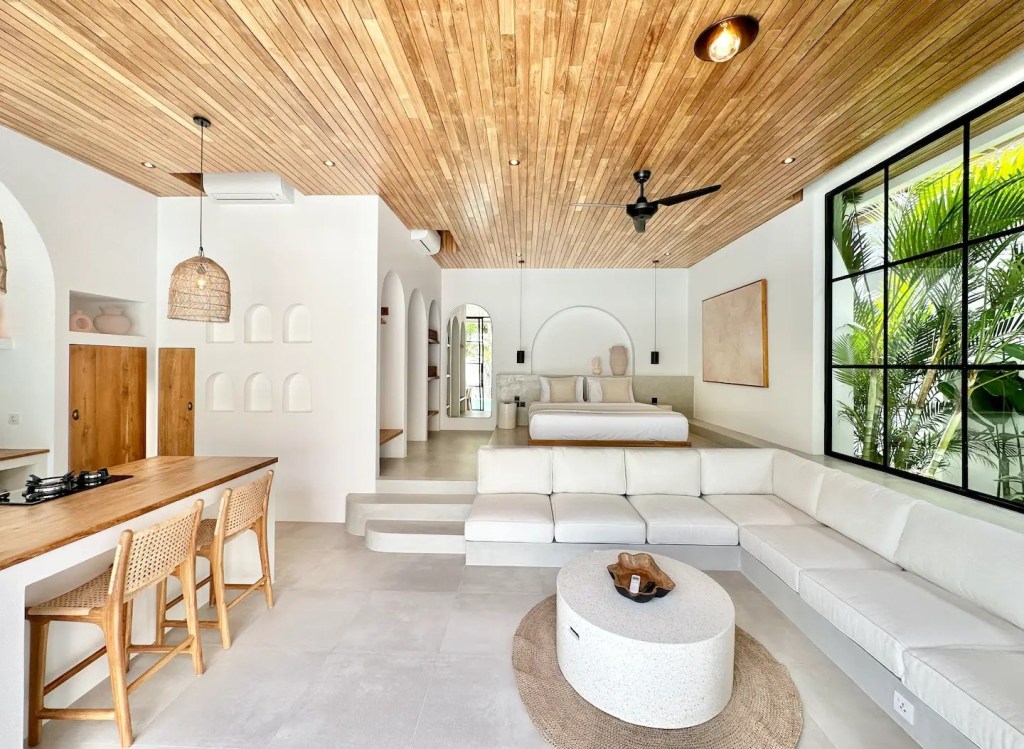
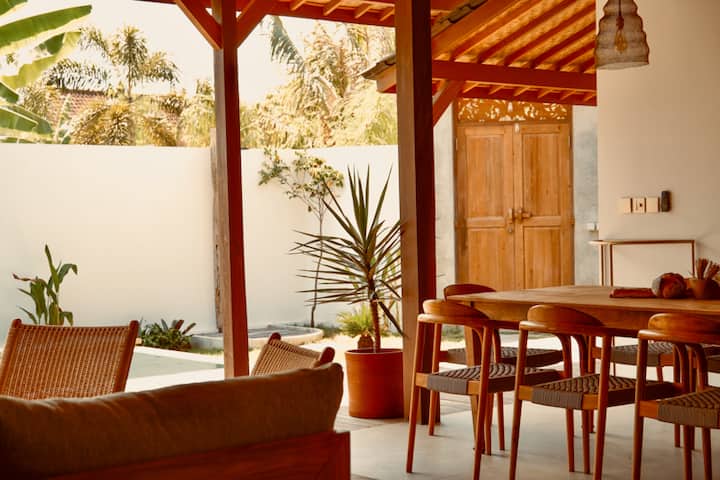
- Reclaimed Wood Accents: Incorporating reclaimed wood for beams, flooring, or wall paneling adds a rustic yet refined touch to the interior. Each piece of reclaimed wood carries a history, contributing to a unique narrative within the space. This practice minimizes deforestation and promotes the reuse of materials, aligning with sustainable design principles.
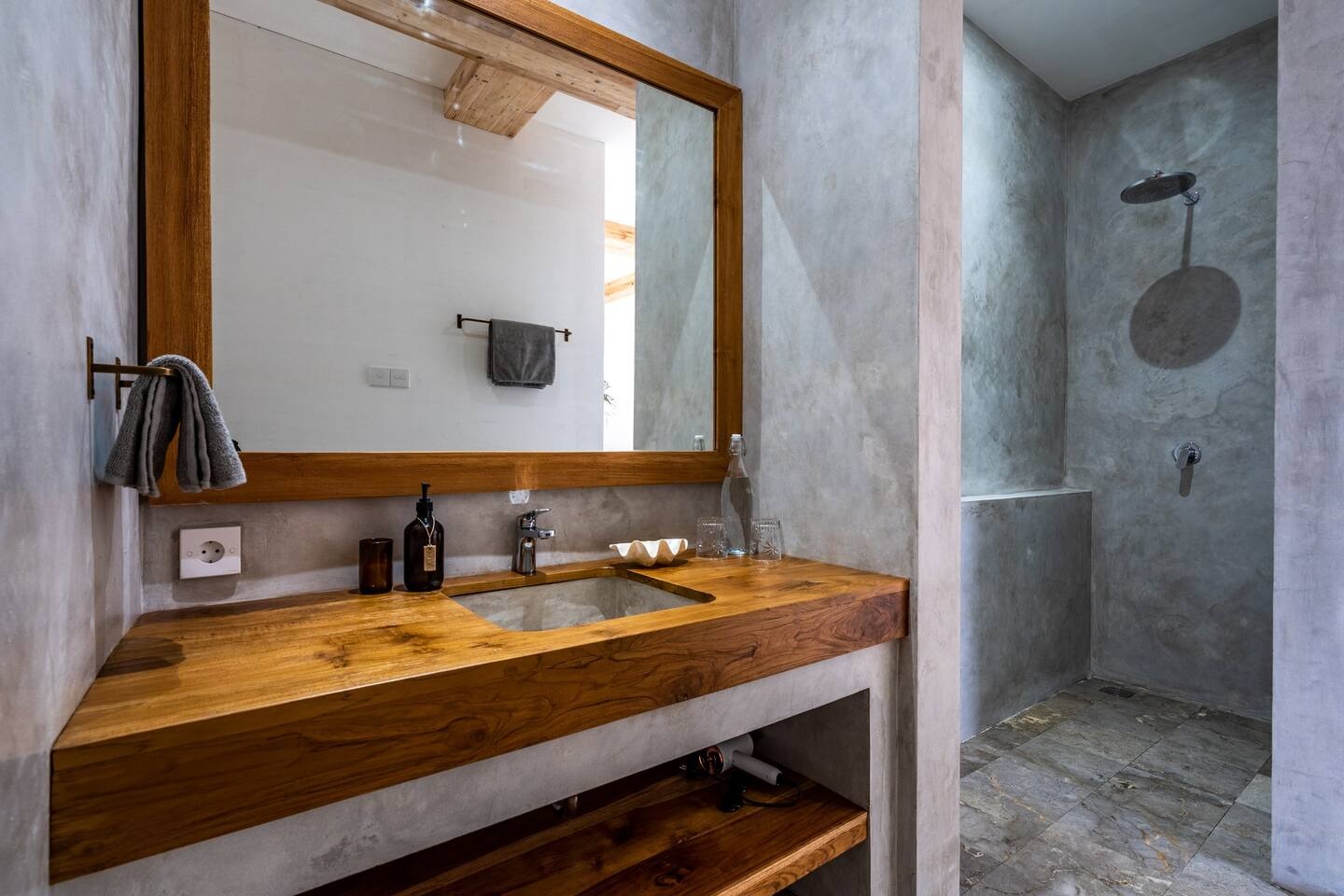
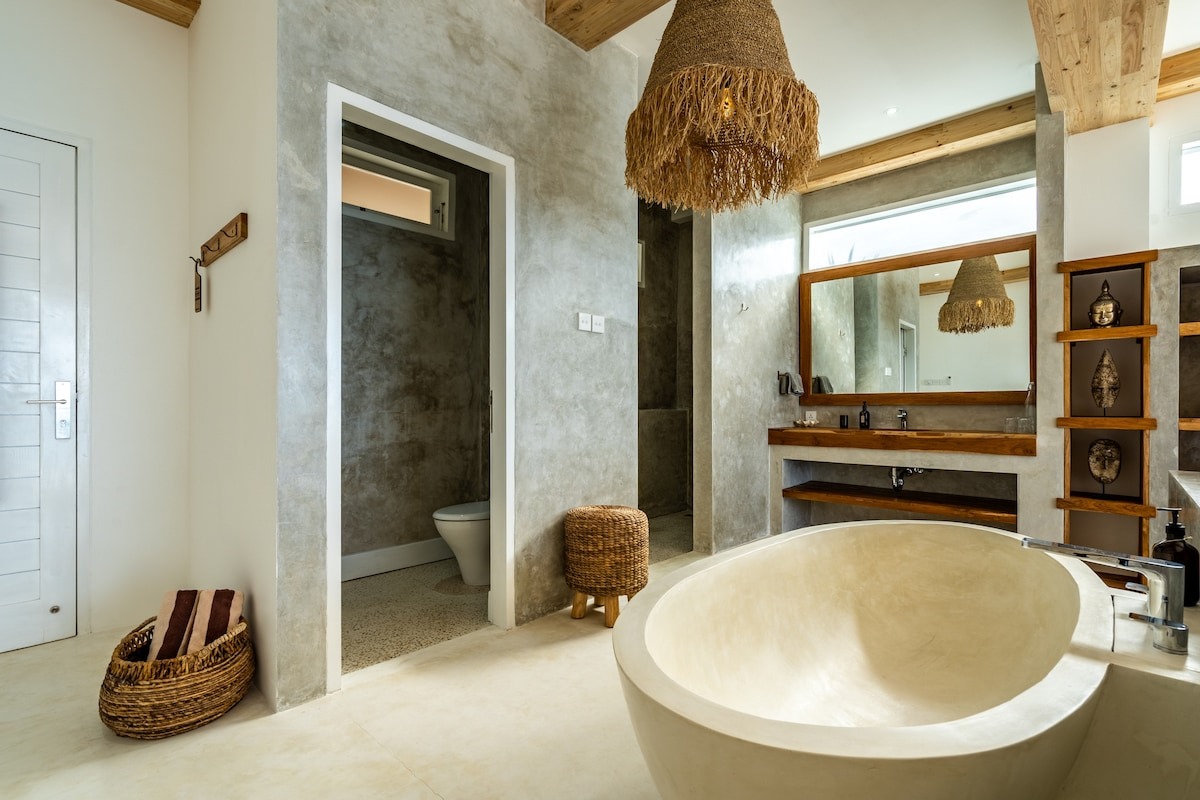
- Natural Stone Flooring: Utilizing locally sourced natural stones for flooring provides durability and a cool underfoot sensation, ideal for warm coastal climates. Stones like limestone or sandstone offer a neutral palette that complements other natural materials, creating a cohesive and calming environment.
Furniture
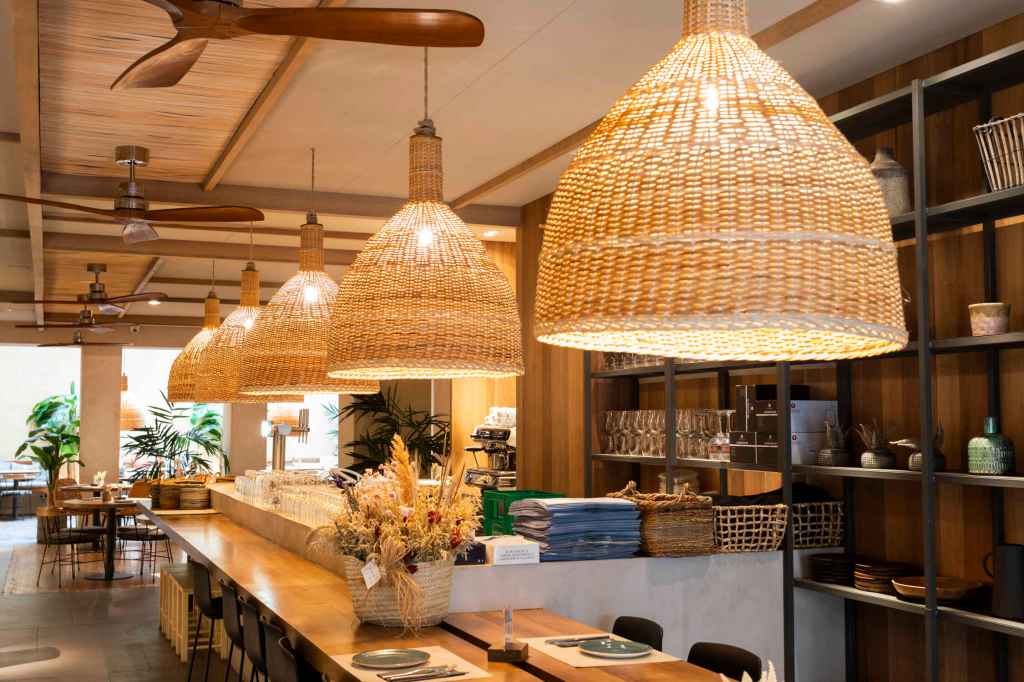
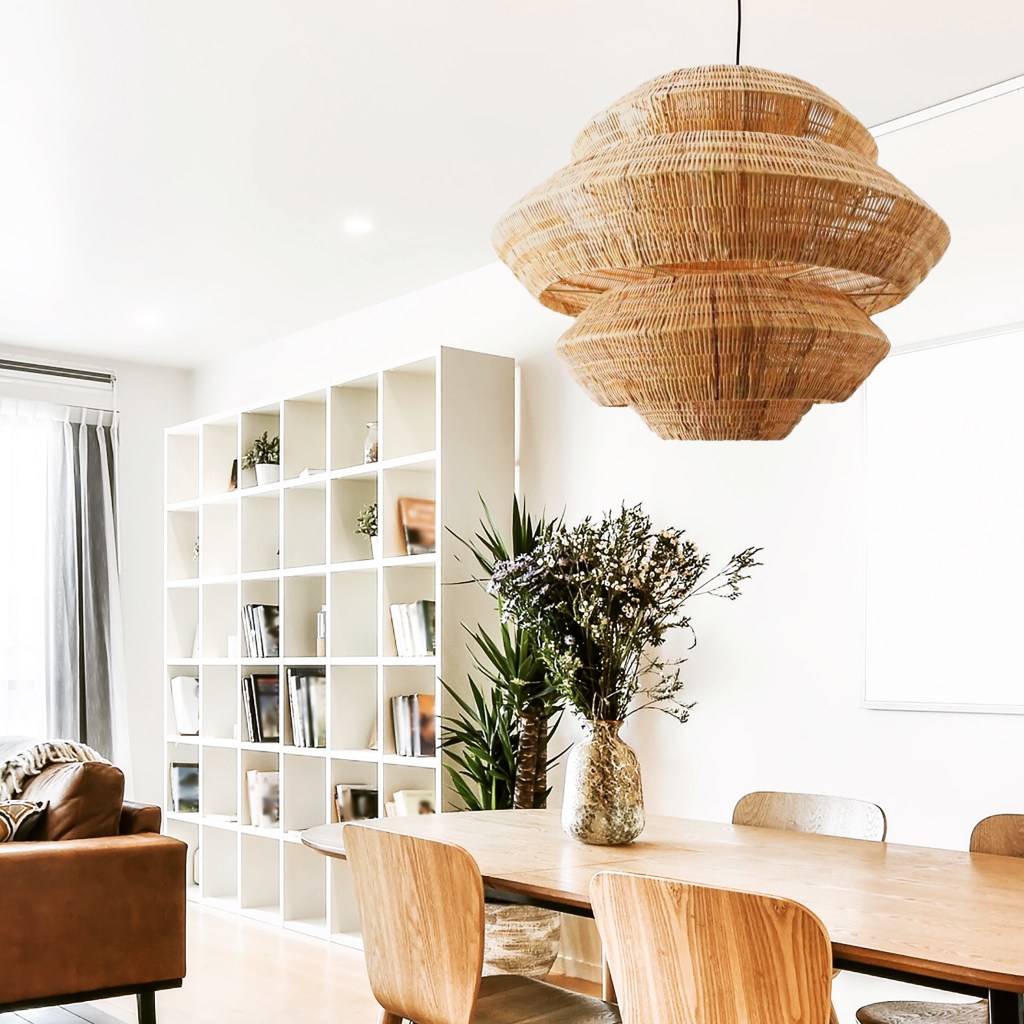
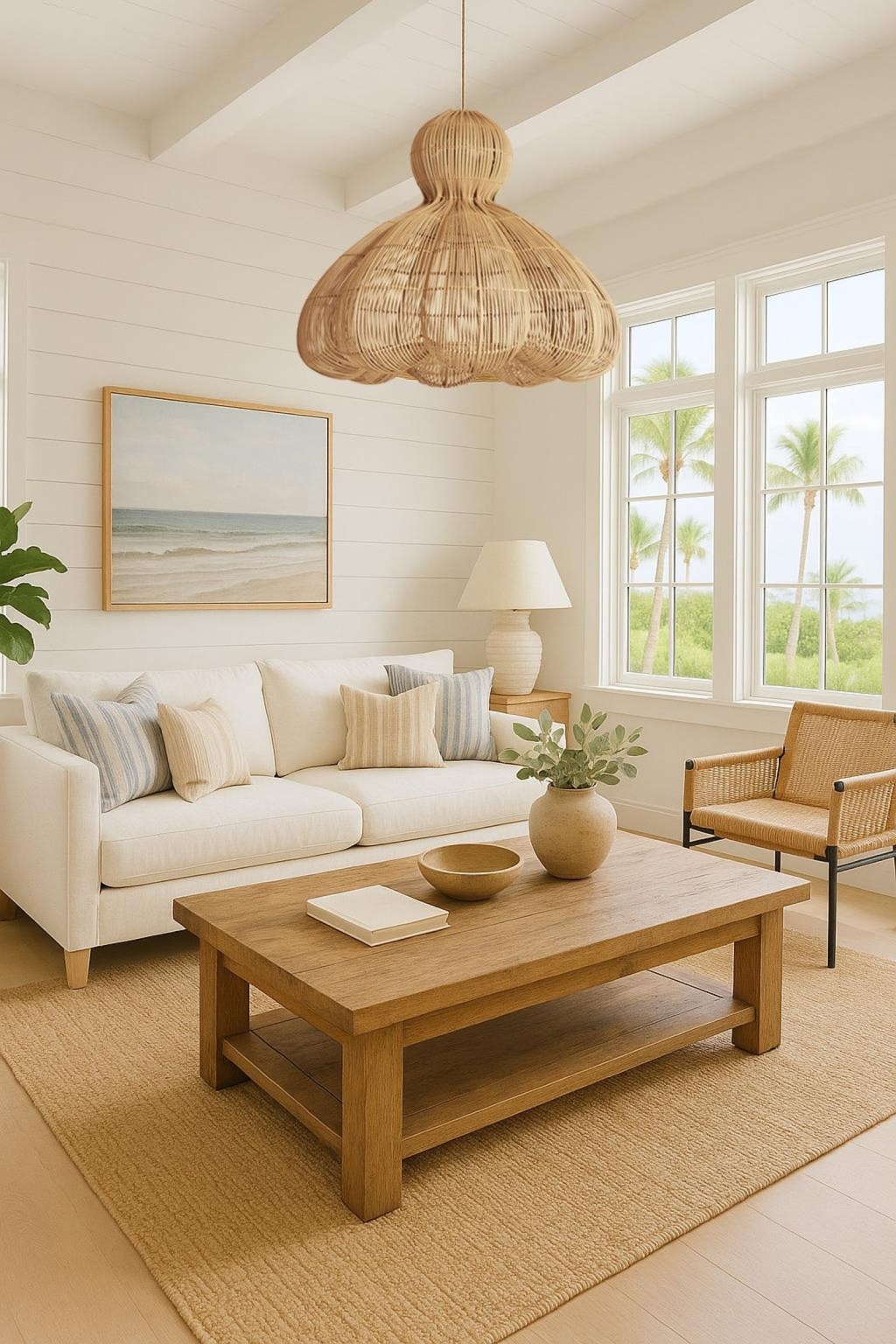
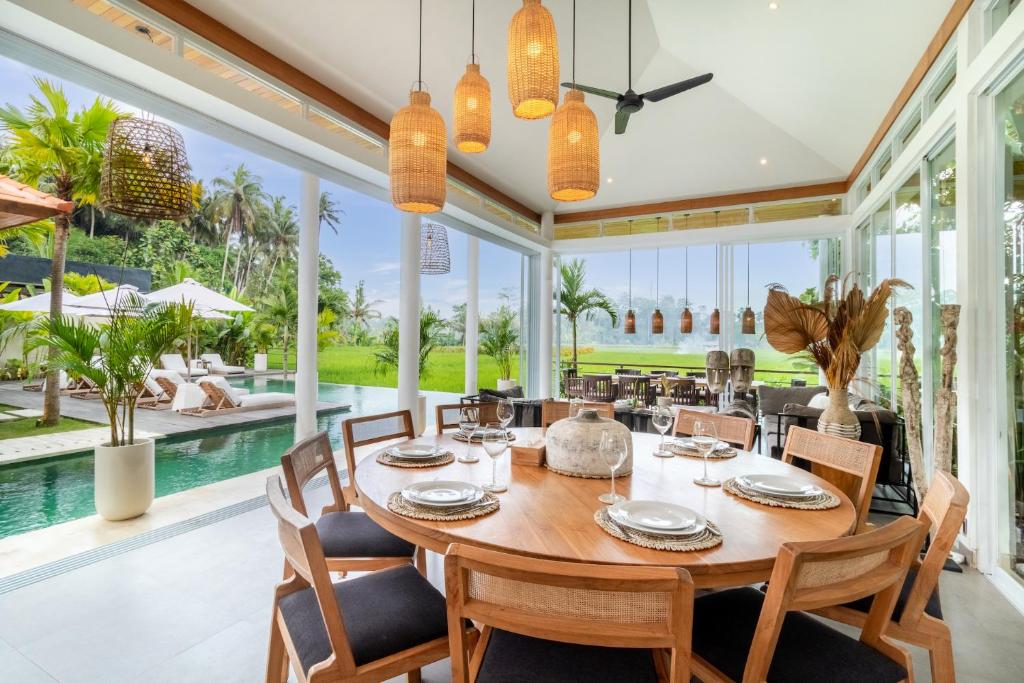
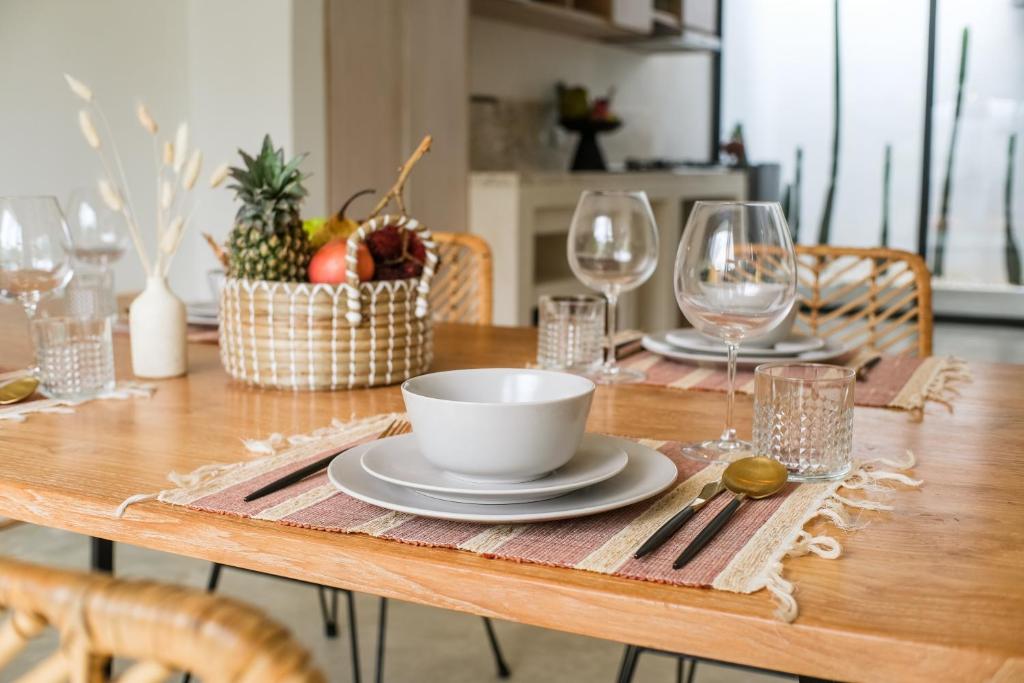
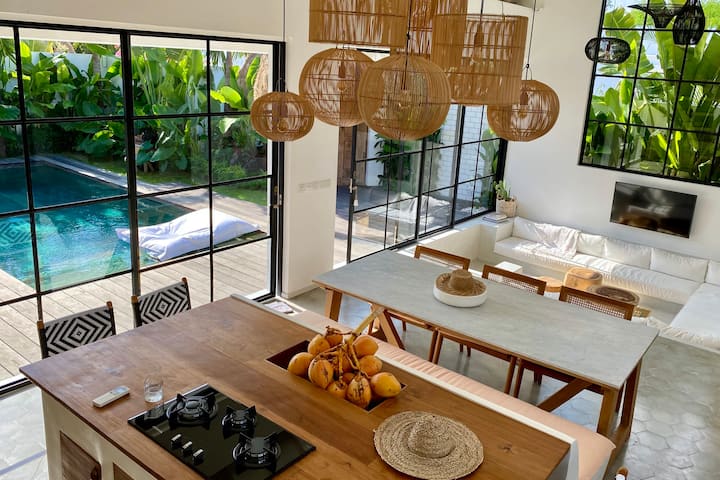
- Rattan and Wicker Furnishings: Rattan and wicker are derived from natural plant fibers, offering lightweight yet sturdy options for furniture. Their woven textures introduce an element of craftsmanship and airiness, essential for a coastal vibe. These materials are biodegradable and have a lower environmental impact compared to synthetic alternatives.
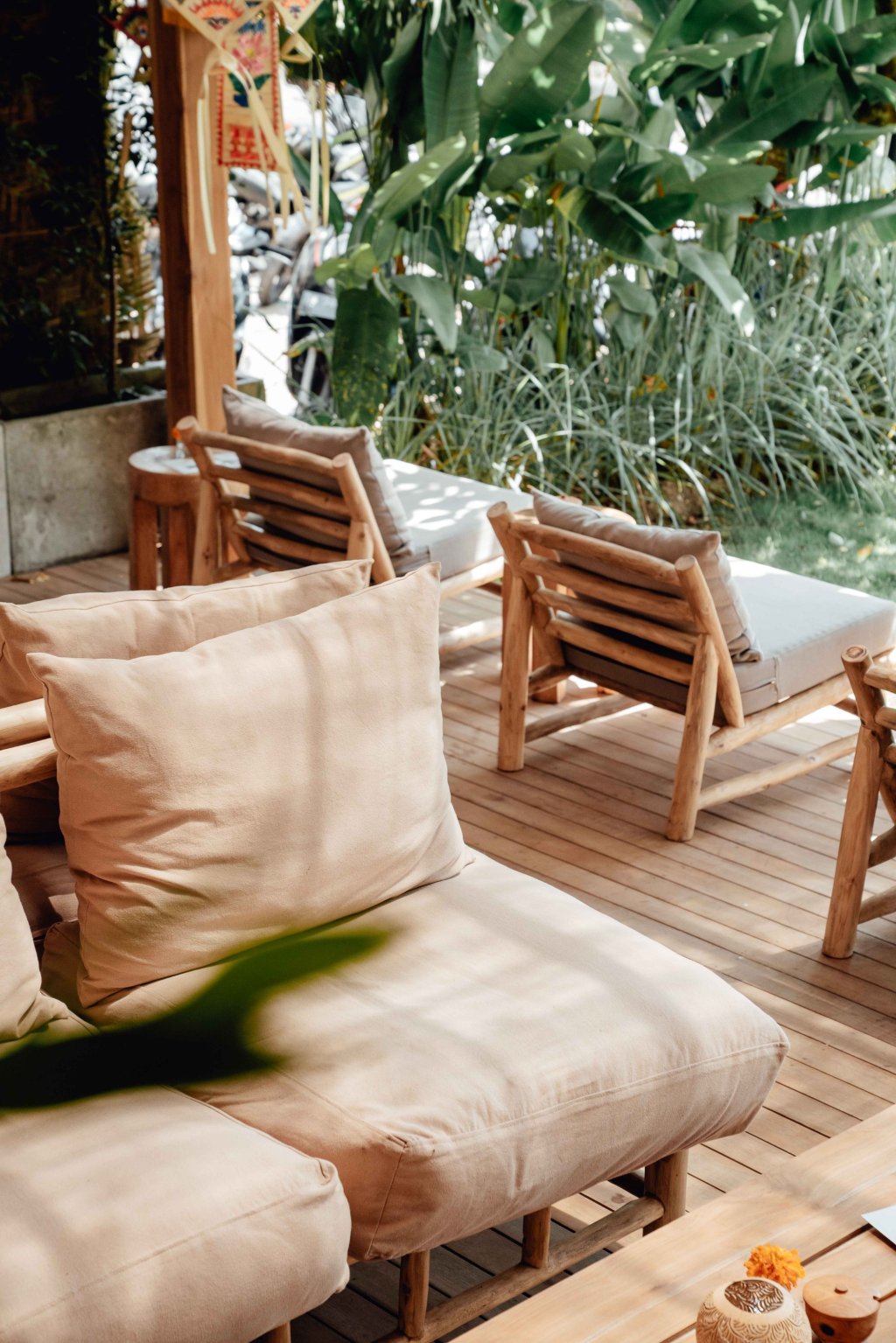
- Teak Wood Pieces: Teak is renowned for its durability and resistance to moisture, making it suitable for coastal settings. Sourcing reclaimed teak adds a sustainable dimension, reducing the demand for new timber. Teak furniture exudes timeless elegance and blends seamlessly with other natural elements.
- Organic Cotton Upholstery: Choosing upholstery made from organic cotton ensures that no harmful pesticides were used in its cultivation. This results in a healthier indoor environment and supports sustainable agriculture. The soft, breathable nature of organic cotton enhances comfort and aligns with the relaxed coastal ambiance.
Soft Furnishings
- Linen Curtains and Cushions: Linen, derived from the flax plant, is a sustainable fabric known for its strength and breathability. Linen curtains allow for the gentle diffusion of natural light, creating a soft, airy atmosphere. Cushions with linen covers add texture and comfort, reinforcing the coastal theme.
- Jute Rugs: Jute is a natural fiber that is both durable and biodegradable. Jute rugs introduce an earthy texture to the space, grounding the design and providing a tactile contrast to smoother surfaces. Their natural hues complement the coastal palette, enhancing the overall aesthetic.
- Wool Throws: Wool is a renewable resource that offers warmth and coziness. Incorporating wool throws adds layers of comfort and visual interest. Wool’s natural insulating properties make it suitable for cooler evenings, ensuring year-round usability.
Health Benefits
Opting for natural, eco-friendly materials in interior design significantly improves indoor air quality by reducing exposure to volatile organic compounds (VOCs) commonly found in synthetic products. Materials like organic cotton, wool, and linen are hypoallergenic and breathable, contributing to a healthier living environment. Additionally, the tactile and visual connection to nature that these materials provide can have calming psychological effects, promoting overall well-being.
Style and Trends
The integration of eco-friendly natural materials in coastal interior design aligns with the growing global emphasis on sustainability and environmental responsibility. This approach not only ensures that the design remains timeless and relevant but also appeals to the increasing number of individuals seeking to reduce their ecological footprint. The use of natural textures and earthy tones creates a sophisticated yet relaxed aesthetic that is both inviting and chic.
In conclusion, The Surf Bingin Beach in Uluwatu, Bali, serves as an inspiring example of how thoughtful selection of eco-friendly natural materials can culminate in a coastal interior design that is as sustainable as it is beautiful. By embracing materials such as bamboo, reclaimed wood, natural stone, rattan, linen, and jute, one can create a harmonious living space that reflects the serenity of the coast while promoting health and environmental stewardship. This design philosophy not only enhances the visual and tactile experience of the space but also contributes positively to the well-being of its inhabitants and the planet.










 bali-interior.com